
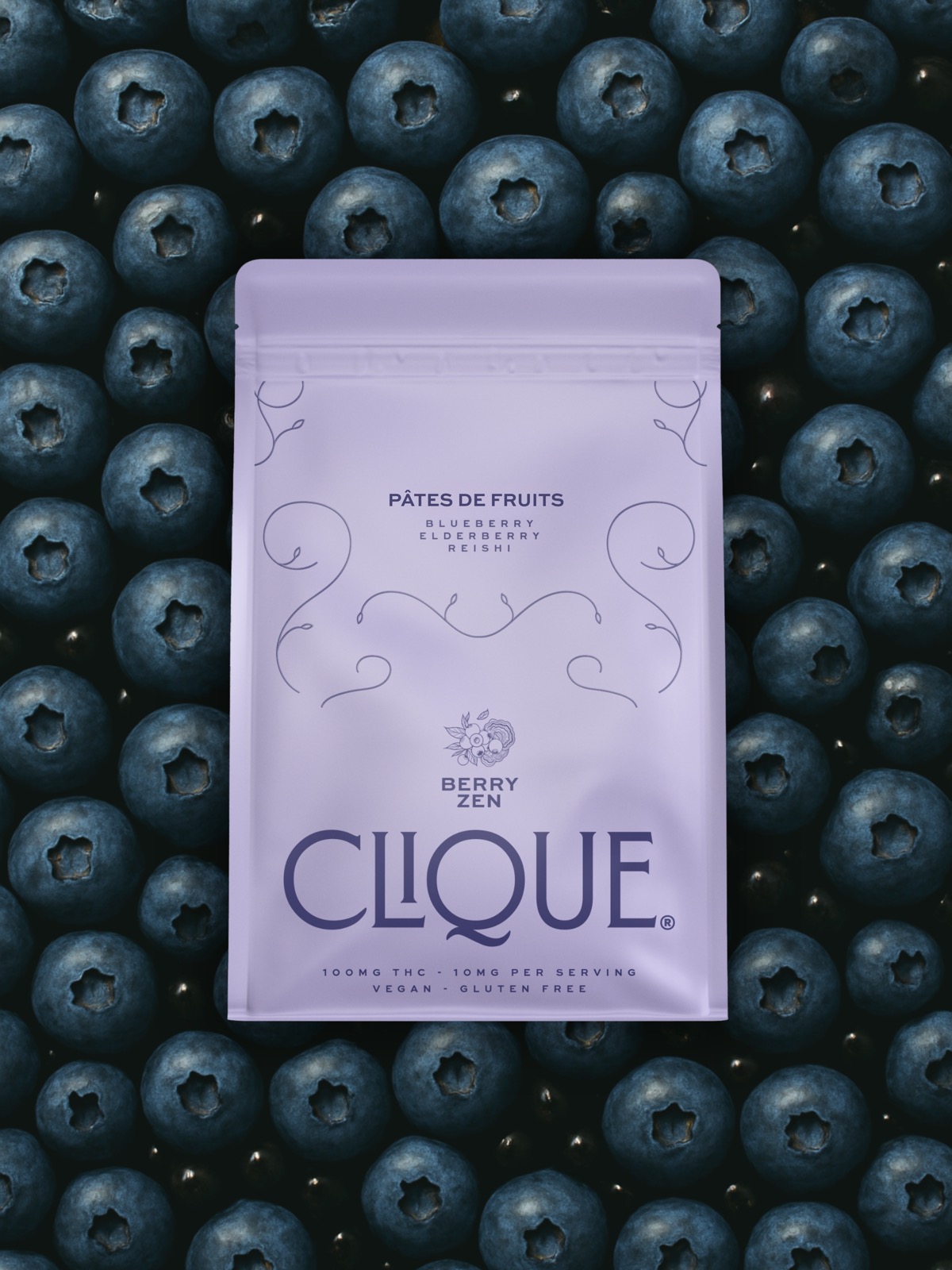
Adaptogens & nootropics, explained.
Look at the ingredient list on any Clique package and you'll find names most gummies never mention: ashwagandha, reishi, cordyceps, valerian root, lion's mane. They're not decoration. They're the reason we say the milligrams are only one line of the recipe.
What's an adaptogen?
Adaptogens are a class of herbs and mushrooms — ashwagandha, reishi, and cordyceps are the best-known — that traditional herbal practices around the world have leaned on for centuries. Ashwagandha has been part of Ayurvedic tradition for over two thousand years; reishi appears in some of the earliest Chinese herbal texts. What unites them is how they've historically been used: not for a single sharp effect, but as companions to daily rhythms.
And a nootropic?
Nootropics are ingredients people reach for around focus and mental clarity — lion's mane mushroom is the classic culinary example. Like adaptogens, they come from a long tradition of kitchens and apothecaries treating food and function as the same conversation.
Why we couple them with cannabis
Cannabis doesn't grow alone, so we don't serve it alone. We know what each ingredient brings — humans have leaned on these fruits, herbs, and botanicals for centuries. How we couple them is part science, part art: a decade of our chef's trial, error, and craft, tuned until the effect lands the way it should. The botanicals work in tandem with the cannabis — the reason the recipe does more than the milligrams alone.
Where you'll find them
- Originals build on whole fruit, local honey, and ashwagandha.
- Mindsets each carry a targeted botanical blend — cordyceps and ashwagandha in Thrive, reishi and valerian root in Doze.
- Mighties scale the same thinking up — turmeric and lemon verbena in Mango Muse, ginger and Mexican mint marigold in Goodnight Moon Grape.